"If you’ve been shopping for a home security camera system, you’ve probably noticed that today’s options do a lot more than just record video. One of the most practical upgrades is two-way audio. It lets you see what’s happening and speak in real time, whether you’re checking on a front porch visitor, reminding a kid to grab their backpack, or telling a delivery driver where to leave a package. For many households, that simple feature is the difference between passive monitoring and active protection. And when it’s built into a reliable home security camera system no...


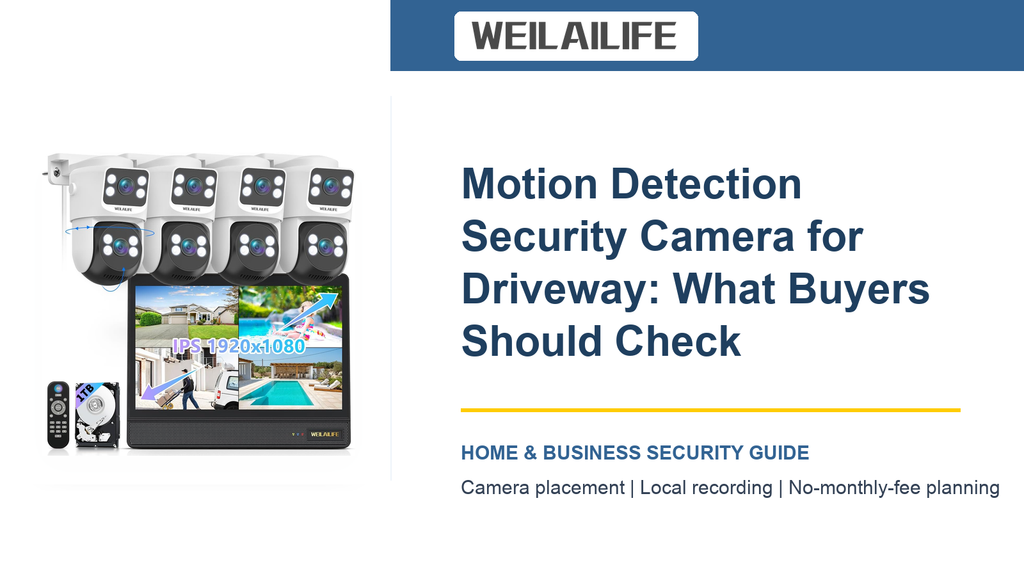 Driveway Coverage: Motion Detection Security Camera for RV Parking helps buyers match a WEILAILIFE camera system to a real coverage problem, not just.
 "If you’ve been shopping for a home security camera system, you’ve probably noticed that today’s options do a lot more than just record video. One of the most practical upgrades is two-way audio. It lets you see what’s happening and speak in real time, whether you’re checking on a front porch visitor, reminding a kid to grab their backpack, or telling a delivery driver where to leave a package. For many households, that simple feature is the difference between passive monitoring and active protection. And when it’s built into a reliable home security camera system no...
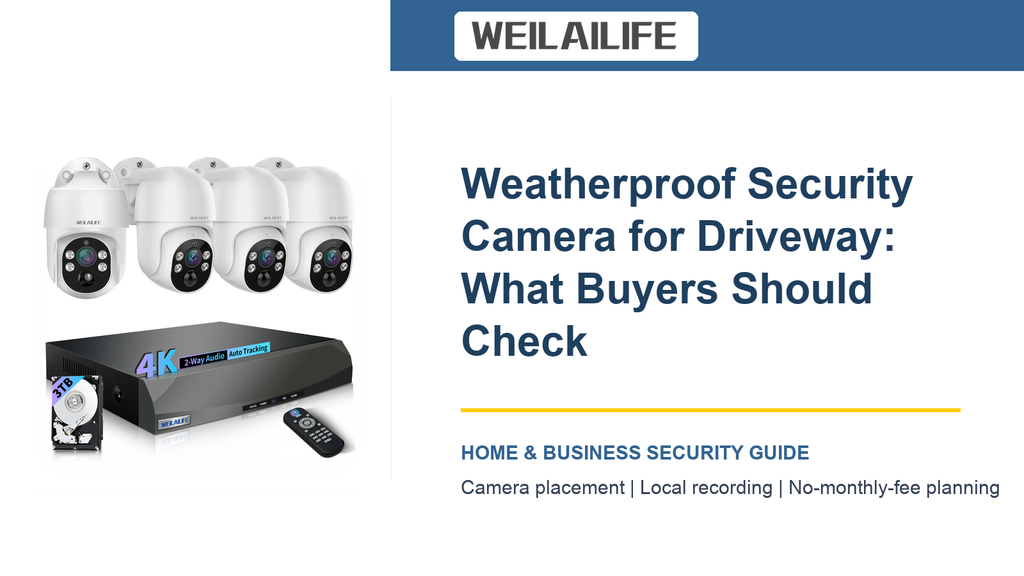 Driveway Monitoring: Weatherproof Security Camera and Privacy Boundaries

